

Back pain is one of the leading causes of disability worldwide, affecting millions of people every year. While many spine conditions improve with physical therapy, medication, injections, or other conservative treatments, some patients eventually require surgery to restore function and relieve pain.
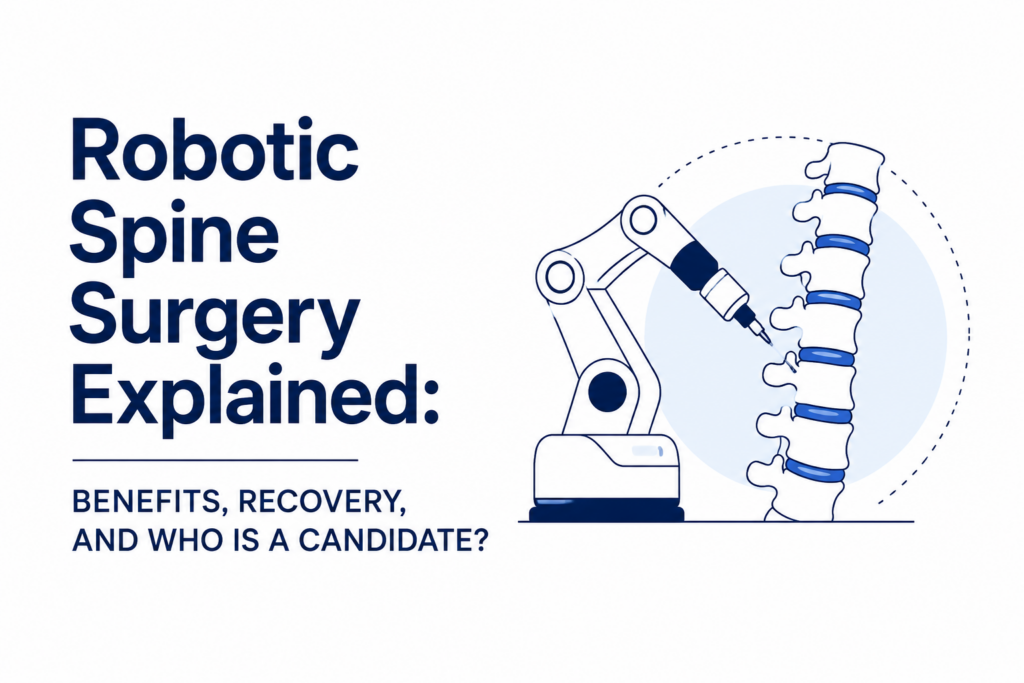
If you’ve been researching your options, you’ve probably come across the term robotic spine surgery. It sounds futuristic, but robotic-assisted spine surgery is already being used in many advanced spine centers to improve precision during certain procedures.
One of the biggest misconceptions is that a robot performs the operation on its own. In reality, robotic spine surgery is always performed by a highly trained spine surgeon. The robotic system acts as an advanced navigation and guidance tool, helping the surgeon plan and execute portions of the procedure with exceptional accuracy.
At Morrison Clinic, every treatment recommendation begins with a comprehensive evaluation. Whether conservative care, minimally invasive procedures, robotic spine surgery, or another approach is appropriate depends on your diagnosis, symptoms, and long-term goals.
What Is Robotic Spine Surgery?
Robotic spine surgery is an advanced surgical technique that combines sophisticated imaging, computer-assisted planning, and robotic guidance to assist surgeons during spinal procedures.
Before surgery begins, detailed imaging of your spine is used to create a three-dimensional map of the treatment area. The surgeon then develops a personalized surgical plan that guides the placement of instruments and implants.
During the operation, the robotic system provides real-time guidance, allowing the surgeon to work with increased precision while maintaining complete control throughout the procedure.
The robot does not make decisions or perform surgery independently. Every movement is directed and monitored by the surgeon.
How Does Robotic Technology Help?
Traditional spine surgery relies heavily on the surgeon’s experience, anatomical landmarks, and imaging performed during the operation.
Robotic assistance enhances that process by providing:
Improved Surgical Planning
Every patient’s spine is unique. Robotic planning allows surgeons to customize each procedure based on the patient’s anatomy before surgery even begins.
Greater Accuracy
Robotic guidance can help improve the placement of surgical instruments and implants, which is especially important during complex spinal procedures.
Enhanced Visualization
Three-dimensional imaging allows surgeons to better understand spinal anatomy before and during surgery.
Consistency
The technology assists the surgeon in following the preoperative plan while adapting as needed during the procedure.
Conditions That May Require Robotic Spine Surgery
Not every spine condition requires surgery, but robotic assistance may be considered for patients with certain diagnoses, including:
- Herniated discs
- Degenerative disc disease
- Spinal stenosis
- Spondylolisthesis
- Spinal instability
- Certain spinal deformities
- Recurrent disc problems
- Compression affecting spinal nerves
A complete medical evaluation is necessary to determine whether surgery is appropriate.
Benefits of Robotic Spine Surgery
Increased Precision
One of the greatest advantages of robotic-assisted surgery is enhanced precision.
Accurate implant placement may contribute to better alignment and improved surgical outcomes in appropriate cases.
Smaller Incisions
Many robotic-assisted procedures can be performed using minimally invasive techniques.
Smaller incisions may reduce muscle disruption compared to traditional open surgery.
Less Tissue Damage
Preserving healthy muscles and surrounding tissues can contribute to a smoother recovery.
Reduced Blood Loss
Minimally invasive approaches are often associated with less blood loss than traditional open procedures.
Shorter Hospital Stay
Depending on the procedure and individual health, many patients spend less time in the hospital than they would with conventional surgery.
Faster Recovery
Recovery varies by procedure and patient, but many individuals are able to resume normal daily activities sooner following minimally invasive surgery.
Is Robotic Spine Surgery Better Than Traditional Surgery?
This is one of the most common questions patients ask.
The answer depends on your condition.
Robotic technology is a tool—not a replacement for surgical expertise.
A skilled surgeon using robotic guidance may benefit from enhanced planning and navigation, but successful outcomes still depend on factors such as:
- Correct diagnosis
- Appropriate patient selection
- Surgical experience
- Overall health
- Commitment to rehabilitation
For many patients, robotic-assisted surgery offers meaningful advantages. For others, traditional techniques may still be the most appropriate choice.
Who Is a Candidate?
You may be considered for robotic spine surgery if you have:
- Chronic back pain that has not responded to conservative treatment
- Persistent nerve pain
- Progressive neurological symptoms
- Structural spinal instability
- A condition requiring spinal fusion or another surgical procedure
Eligibility depends on imaging studies, physical examination findings, medical history, and overall health.
Who May Not Be a Candidate?
Robotic surgery is not appropriate for everyone.
Some patients improve without surgery through:
- Physical therapy
- Lifestyle modifications
- Pain management
- Image-guided injections
- Activity modification
- Minimally invasive procedures when appropriate
The goal is always to recommend the least invasive treatment capable of effectively addressing the problem.
Common Procedures Performed with Robotic Assistance
Robotic technology may assist surgeons during several spinal procedures, including:
Spinal Fusion
Spinal fusion joins two or more vertebrae together to improve stability.
Robotic guidance may assist with accurate placement of screws and other hardware.
Lumbar Procedures
Some lumbar surgeries can benefit from robotic-assisted navigation during implant placement.
Revision Surgery
Patients who have undergone previous spine surgery may present unique anatomical challenges. Robotic technology can provide valuable guidance during carefully selected revision procedures.
What to Expect Before Surgery
Your evaluation typically includes:
- Comprehensive medical history
- Physical examination
- MRI or CT imaging
- Review of previous treatments
- Discussion of treatment goals
- Explanation of risks and benefits
If surgery is recommended, your care team will explain the procedure in detail and answer any questions you may have.
Recovery After Robotic Spine Surgery
Recovery varies depending on the procedure performed.
Most patients progress through several stages.
Immediately After Surgery
You’ll be monitored as the anesthesia wears off.
Many patients begin walking with assistance shortly after surgery.
First Few Weeks
During the early recovery period, patients are encouraged to:
- Follow lifting restrictions
- Walk regularly
- Take medications as prescribed
- Attend follow-up appointments
- Begin rehabilitation when recommended
Physical Therapy
Many patients benefit from physical therapy to restore flexibility, improve strength, and safely return to normal activities.
Long-Term Recovery
Full recovery depends on the type of surgery, the severity of the underlying condition, and individual healing rates.
Some patients recover within weeks, while others require several months.
Are There Risks?
Every surgical procedure carries potential risks.
These may include:
- Infection
- Bleeding
- Blood clots
- Nerve injury
- Hardware complications
- Persistent pain
- Need for additional treatment
Your surgeon will discuss the risks that apply to your specific situation and explain how they are managed.
Questions to Ask Your Spine Surgeon
Before deciding on surgery, consider asking:
- Is surgery the best option for my condition?
- Would robotic-assisted surgery benefit me?
- What alternatives are available?
- What are the expected recovery timelines?
- What are the potential risks?
- How many similar procedures have you performed?
- What results can I realistically expect?
Having an open discussion helps you make a more informed decision.
The Importance of an Individualized Treatment Plan
No two spine conditions are exactly alike.
Some patients benefit from physical therapy and conservative care.
Others may be candidates for minimally invasive procedures such as Discseel®.
Some require robotic-assisted spine surgery to correct structural problems and relieve pressure on the spinal nerves.
Choosing the right treatment starts with understanding the true cause of your symptoms—not simply treating what appears on an MRI.
At Morrison Clinic, every recommendation is based on a careful evaluation of your symptoms, imaging, lifestyle, and long-term goals. The focus is on identifying the treatment that offers the greatest opportunity for meaningful pain relief and improved quality of life while avoiding unnecessary procedures whenever possible.
Final Thoughts
Robotic spine surgery represents an important advancement in modern spinal care. By combining the expertise of an experienced spine surgeon with advanced imaging and navigation technology, robotic-assisted procedures can improve precision and support minimally invasive surgical techniques for appropriately selected patients.
However, robotic technology is not the right solution for everyone. Many patients can achieve meaningful improvement through conservative treatment or other minimally invasive options, while others may require surgery to restore stability or relieve nerve compression.
If chronic back or neck pain is limiting your daily life, the first step is obtaining an accurate diagnosis. A comprehensive consultation can help determine whether robotic spine surgery, another minimally invasive treatment, or continued conservative care is the best path forward for your individual condition.
If you’re considering spine surgery or simply want to understand your options, schedule a consultation with Morrison Clinic. Our team will evaluate your condition, explain your treatment choices, and help you make an informed decision about your spine health.
