

Quick answer: Many herniated discs improve without surgery over several weeks to a few months. Treatment usually starts with activity changes, physical therapy and medication. If symptoms continue, options include epidural steroid injections, the non-surgical Discseel® procedure for certain patients, and surgery such as a microdiscectomy when pain is severe and lasting or a nerve is losing function.
What is a herniated disc?
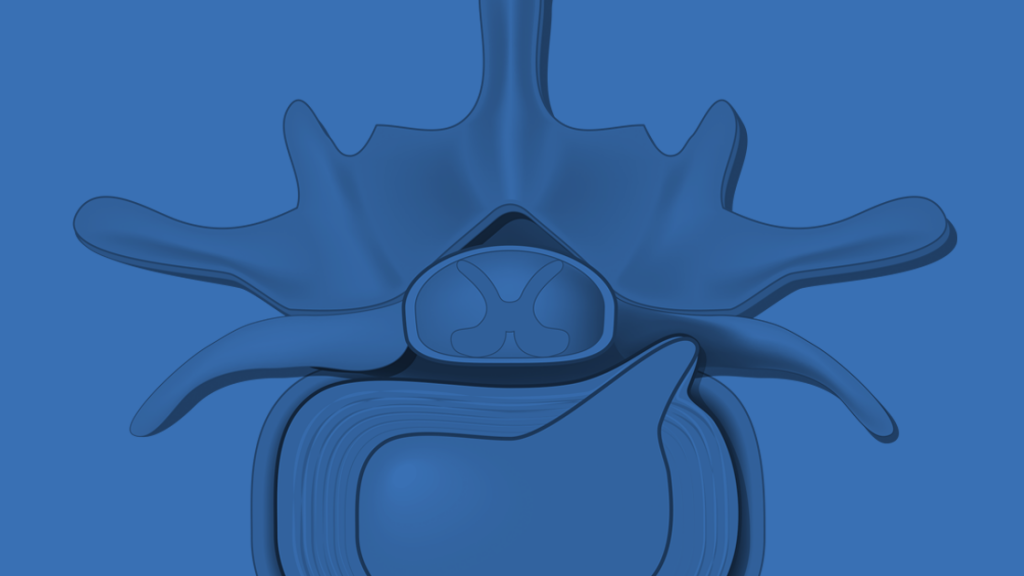
The discs between your vertebrae have a tough outer ring (the annulus) and a soft, gel-like center. A herniated disc happens when part of that center pushes through a tear in the outer ring. If it presses on or irritates a nearby nerve, you can feel pain, numbness or weakness along that nerve’s path. In the lower back, that usually means pain running down the leg, known as sciatica. In the neck, it can travel into the shoulder and arm.
What are the symptoms of a herniated disc?
- Low back or neck pain
- Sharp or burning pain that travels down one leg or arm
- Numbness or tingling in the leg, foot, arm or hand
- Weakness in the muscles served by the affected nerve
- Pain that gets worse with sitting, bending, coughing or sneezing
Some herniated discs cause no symptoms at all and only show up on an MRI taken for another reason.
Can a herniated disc heal without surgery?
Often, yes. The body can gradually reabsorb part of the herniated material, and nerve irritation tends to calm down with time. Many people feel meaningfully better within six to twelve weeks. That’s why non-surgical care comes first for most patients.
Herniated disc treatment options, from least to most invasive
1. Activity changes and time. Short rest during a flare, then gentle movement such as walking. Long bed rest usually slows recovery.
2. Physical therapy. Exercises to strengthen the core and hips, improve flexibility and take pressure off the irritated nerve.
3. Medication. Anti-inflammatories and, in some cases, short courses of nerve pain medication or muscle relaxants, as prescribed.
4. Epidural steroid injections. Anti-inflammatory medication placed near the irritated nerve. Injections can calm pain enough for therapy to work, but they don’t repair the disc.
5. Discseel®. A minimally invasive, non-surgical procedure that uses a biologic fibrin sealant to seal tears in the disc’s outer wall. Morrison Clinic offers it to certain patients with disc-related pain who haven’t improved with conservative care. See our guide to Discseel® in Palm Beach County.
6. Surgery. When surgery is needed, the most common operation is a microdiscectomy, which removes the piece of disc pressing on the nerve. Dr. Morrison is trained in minimally invasive, endoscopic, image-guided and robotic techniques as well as traditional open surgery. A spinal fusion is considered only in specific cases, such as when the spine is unstable.
When is surgery the right choice for a herniated disc?
Surgery is usually considered when:
- A nerve is losing function, with weakness that is getting worse
- There are signs of cauda equina syndrome, such as loss of bladder or bowel control (an emergency)
- Severe pain hasn’t improved after a reasonable course of non-surgical care
- Pain keeps limiting your work, sleep or daily life despite treatment
Even then, it is a conversation, not a default. Dr. Morrison’s approach is to explain every option, including the ones he doesn’t perform, so you can make the decision with a clear picture.
Should I get a second opinion on herniated disc surgery?
If surgery has been recommended and you aren’t sure it’s the right step, a second opinion is reasonable and common. A second look at your MRI and exam can confirm the plan, suggest a less invasive option, or clarify what to expect. You can upload your imaging before the visit.
Herniated disc care across Palm Beach County
Morrison Clinic sees herniated disc patients in Palm Beach, Lake Worth, Palm Beach Gardens, Delray Beach and Boca Raton, as well as Stuart, Hollywood and Belle Glade. Seasonal residents can start with an e-consult before they arrive.
Frequently asked questions
Is walking good for a herniated disc?
For most people, yes. Gentle walking keeps you moving without heavy strain. Stop and call your doctor if walking makes leg pain, numbness or weakness worse.
What’s the difference between a bulging and a herniated disc?
A bulging disc spreads outward evenly, like a hamburger hanging over its bun. A herniated disc has a tear that lets inner material push out in one spot, which is more likely to press on a nerve.
Is herniated disc treatment covered by insurance?
Standard treatments such as therapy, injections and surgery are generally covered when medically necessary. Coverage for Discseel® varies, so ask our team to review your plan.
Next step: Request a herniated disc evaluation or call (561) 284-8455. Read more on our Herniated Discs page.
This article is for general education and isn’t a substitute for medical advice. Individual results vary. Medically reviewed by Dr. John F. Morrison, MD, FAANS.
